


 Call us:



Data Analytics: Probability distribution
-
 By
NPTEL
By
NPTEL
- 22/09/2020
Course Description
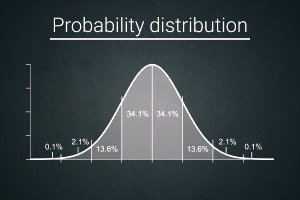
Probability distribution is the statistical function that explains the possible values that a random variable can take. This course on data analytics and probability distribution explains the different ways to assign probability, including marginal and conditional probabilities. We describe how to find various solutions to various problems using the laws of probability, including those of addition, multiplication and ‘conditional probability’.
The course explains how to use Bayes’ rule of probability (or ‘Bayers’ Theorem’) to calculate the likelihood of an event occurring, based on prior knowledge of the conditions that might be related to it. We explore the properties of empirical distributions and take you through binomial distributions and their applications. We then examine the mean and variance of a discrete random variable.
The course establishes the importance of simple random sampling. We compare descriptive and inferential statistics and introduce you to the differentiating factors between populations and samples. This statistics and data science course is useful for anyone entering the world of science as it covers key aspects of research methodology. Learning how to calculate probability using sampling distributions is a crucial skill in any research context.
What you'll learn in this course?
-
Programming
-
Python
-
Machine Learning
-
Analytics
Course Curriculum

NPTEL
India
 Duration
 Modules
 Certifications
